Key Takeaways
- Trained memory care staff provide personalized, consistent daily support for those living with dementia or Alzheimer’s.
- Routine, familiar faces, and calm communication can help reduce confusion and support emotional well-being.
- Families can stay involved and informed through open communication and regular care updates.
- A warm, secure environment can help residents feel safe, comfortable, and at home.
- Knowing what to look for can help families find memory care community options that fit their loved one’s needs.
What Dementia Care Support Really Means
Watching someone you love navigate the changes that come with dementia can feel overwhelming. You want them to feel safe, respected, and genuinely cared for. But knowing what that actually looks like day-to-day isn’t always easy to picture.
Trained staff in a memory care community can provide far more than physical assistance. They offer consistent, compassionate support throughout the day while helping them feel at ease. That kind of care starts with truly knowing the person, not just the condition.
Dementia Care in Daily Life
Good dementia care provides assistance that aligns with each resident’s needs. Every resident comes with their own story, preferences, and needs. That’s why personalized daily care plans are so important. They help staff support each person in a way that feels familiar and respectful, not clinical or rushed.
Consistent routines also play a big role in senior care for those living with dementia. When the day follows a predictable rhythm, it can provide a greater sense of familiarity. Small things, like meals at the same time or familiar faces greeting them each morning, can make a meaningful difference by bringing consistency to the day.
Communication matters just as much. Trained memory care staff can adjust their approach to each person while communicating with patience and care. That kind of attentiveness helps residents feel heard and respected, even on harder days.
The Role of a Memory Care Team
Daily Hands-On Support
Day-to-day life with dementia often means needing a steady, caring hand nearby. Memory care staff help with activities of daily living like meals, personal hygiene, and movement throughout the day. They can step in with support while still encouraging independence. It’s about walking alongside someone, not taking over.
Regular check-ins can happen naturally throughout the day, not just during scheduled care moments. That consistent presence helps residents feel secure.
Emotional & Social Connection
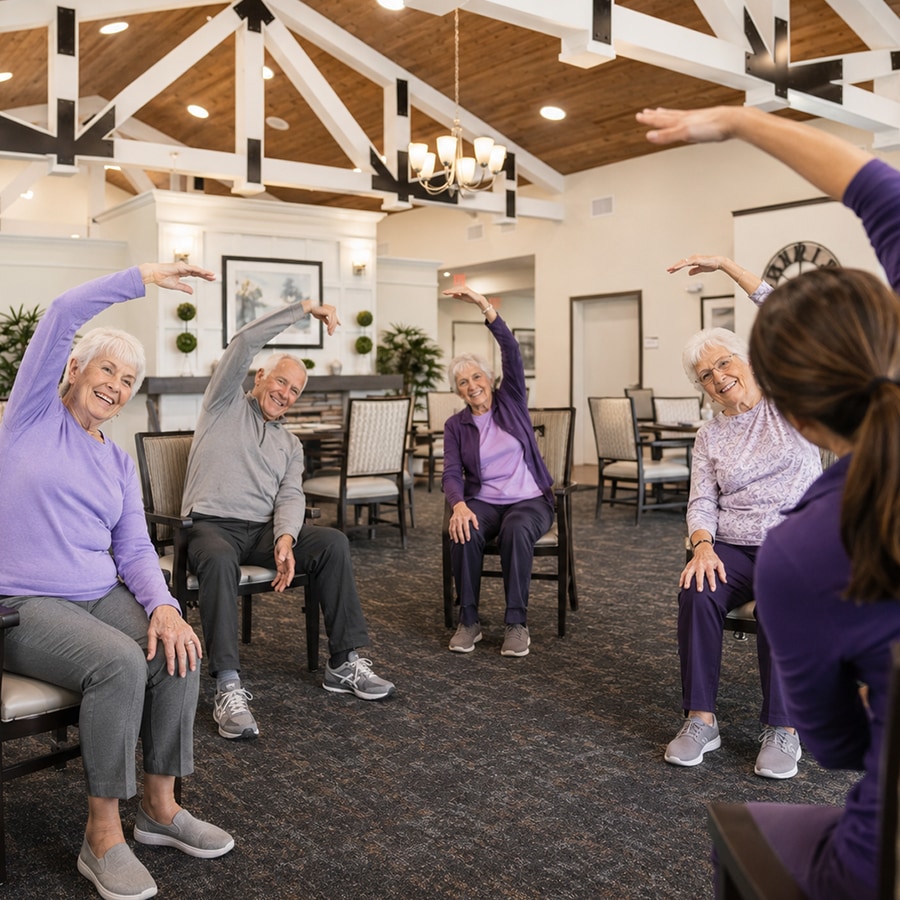
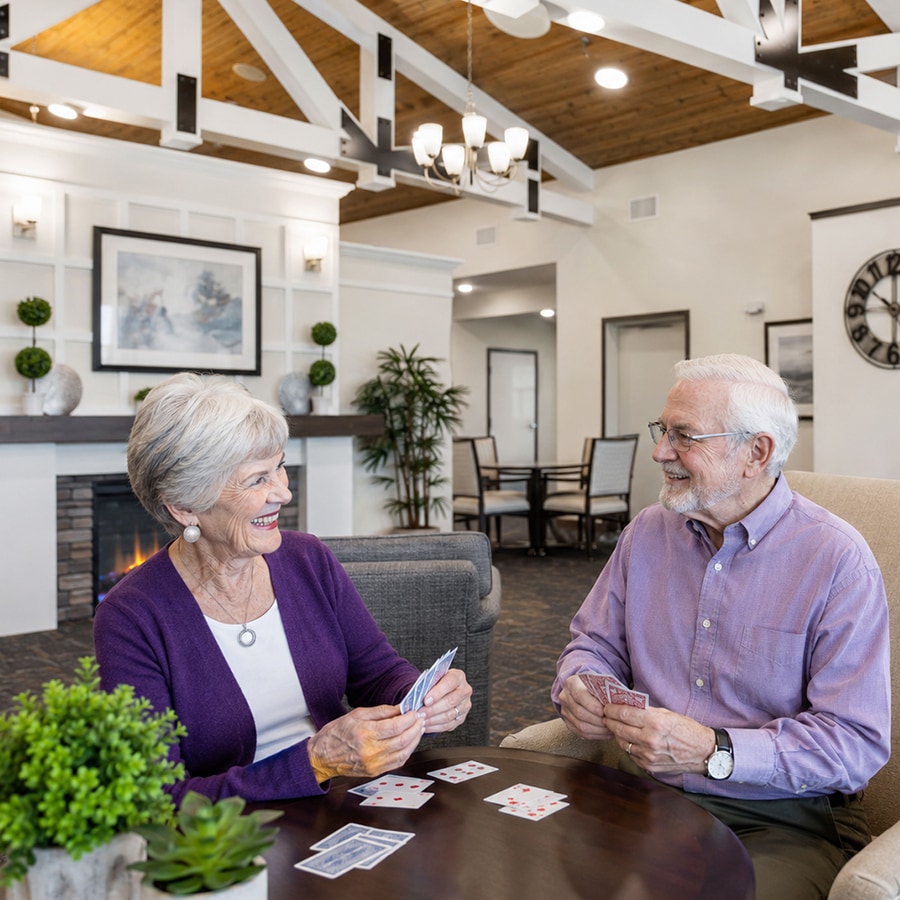
Meaningful activities are an important part of memory care. Whether it’s music, gentle movement, reminiscing through photos, or simple creative projects, there are many ways to connect. These moments can bring joy and create a sense of purpose.
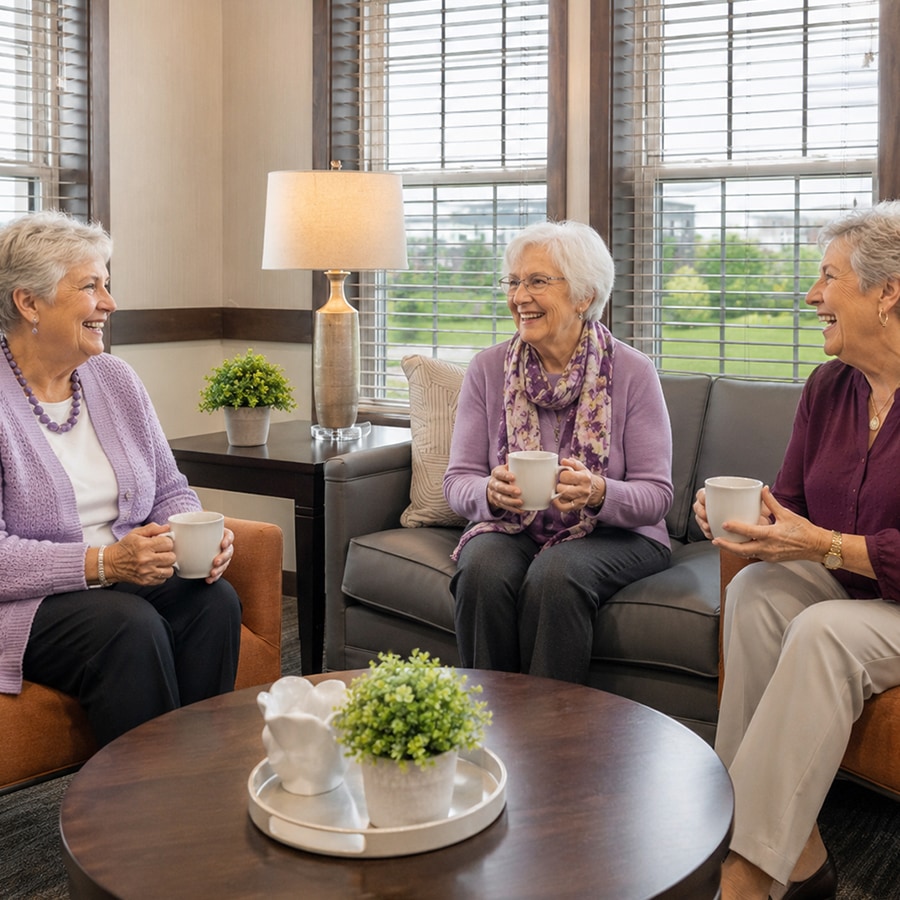
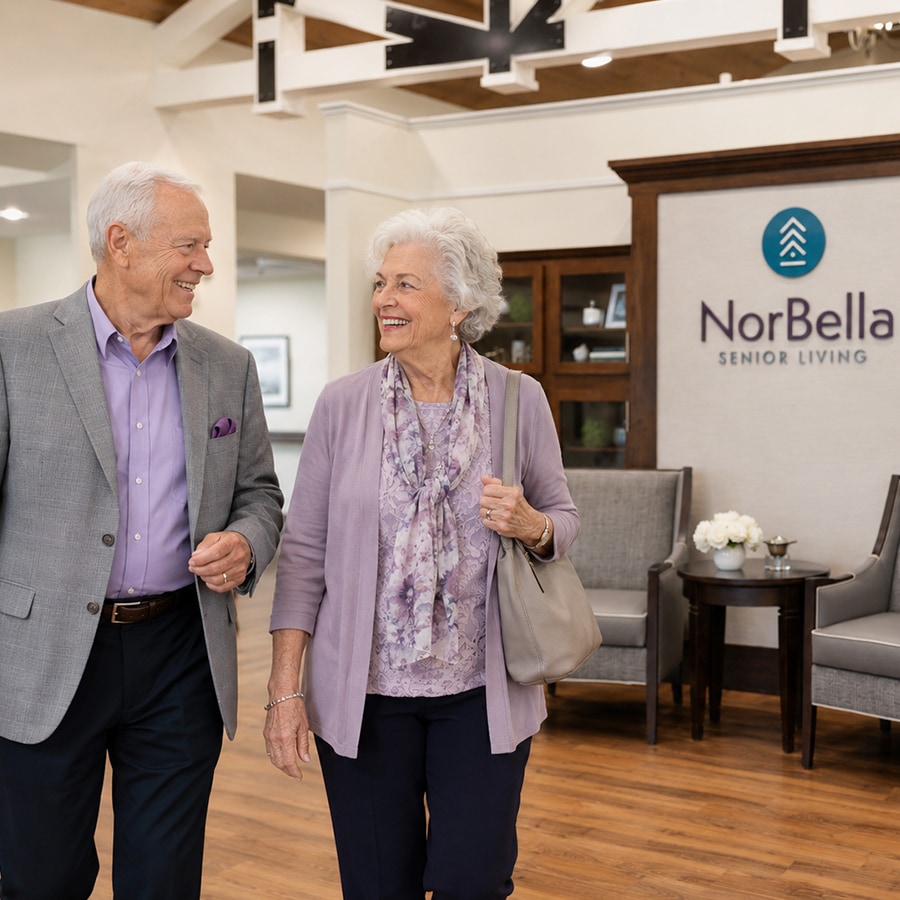
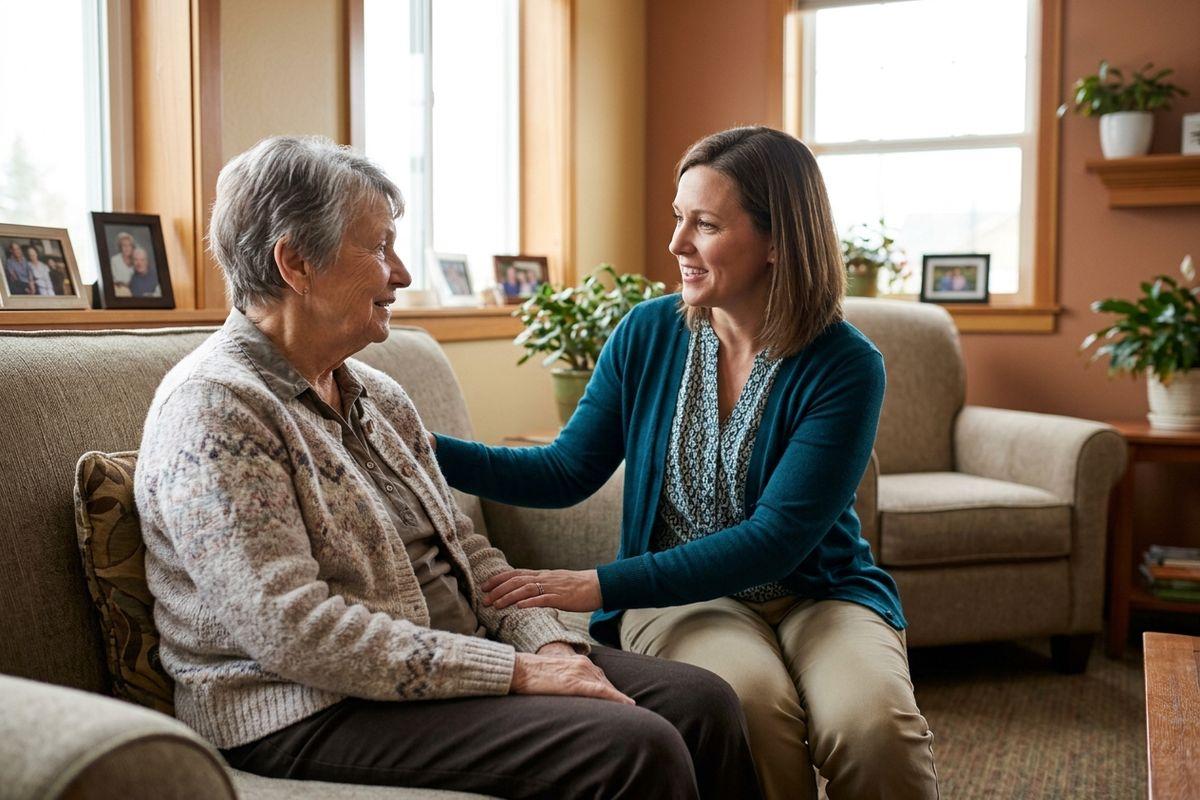
Familiar faces can also provide a sense of ease and comfort. When your loved one sees the same caring staff each day, trust grows naturally over time. That sense of connection can ease anxiety and help residents feel genuinely at home in their assisted living or memory care community.
How Trained Staff Make a Difference
Trained memory care staff can recognize behavioral and emotional shifts. They pay attention to things like increased restlessness, withdrawal, or changes in appetite. Being aware of early signs of Alzheimer’s and dementia can also help families recognize when professional support may be needed.
Rather than reacting with frustration, trained staff respond with calm, compassionate redirection. They know how to gently guide residents toward comfort without making them feel dismissed. This approach can help protect their dignity and reduce distress.
Supporting independence at every stage is also a priority. Even as needs change, personalized care can help residents participate safely in daily life based on their needs. Alzheimer’s and dementia care keeps the person at the center of everything.
What to Expect from a Memory Care Community
Open Communication with Your Family
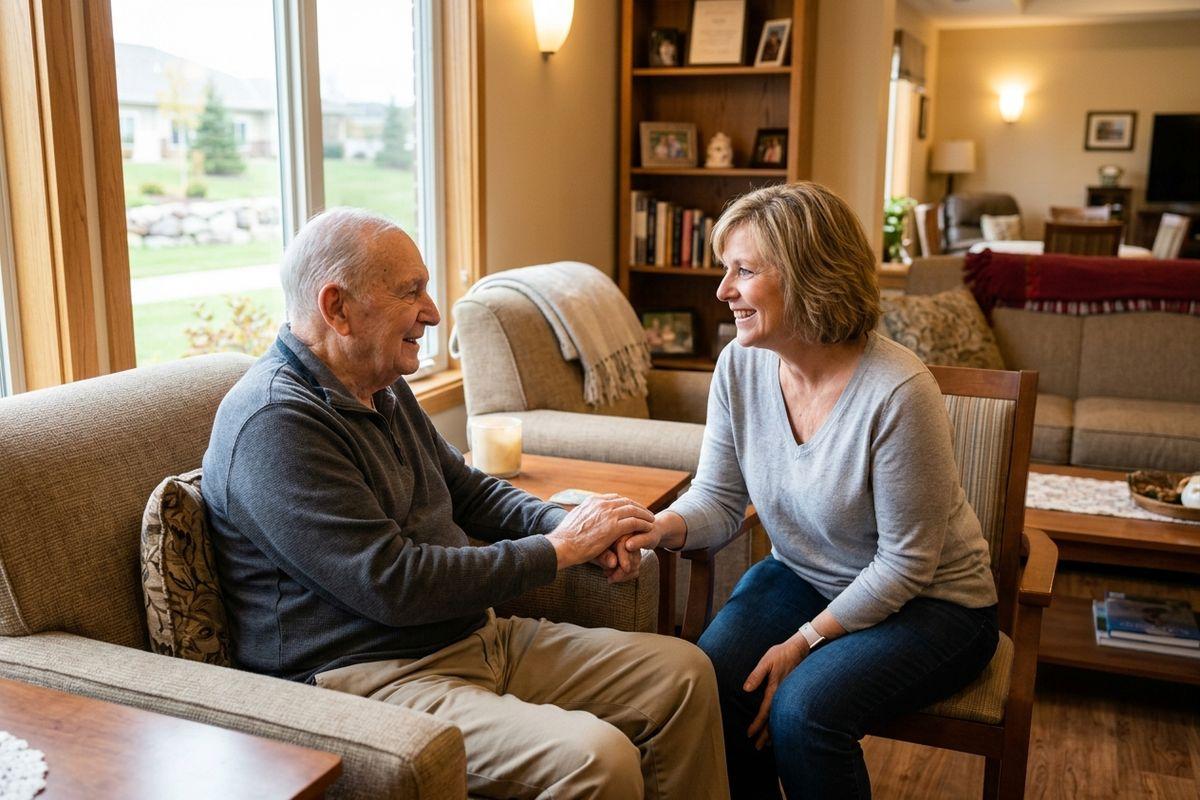
You shouldn’t have to wonder how your loved one is doing. A memory care community can keep families informed through regular updates and clear, honest communication. Families can also ask questions and stay involved as their loved one’s needs change.
Family involvement is an important part of care. Your knowledge of your loved one’s history, routines, and personal preferences helps the care team provide personalized support. That partnership makes a real difference in the quality of support your loved one receives.
A Safe & Nurturing Environment
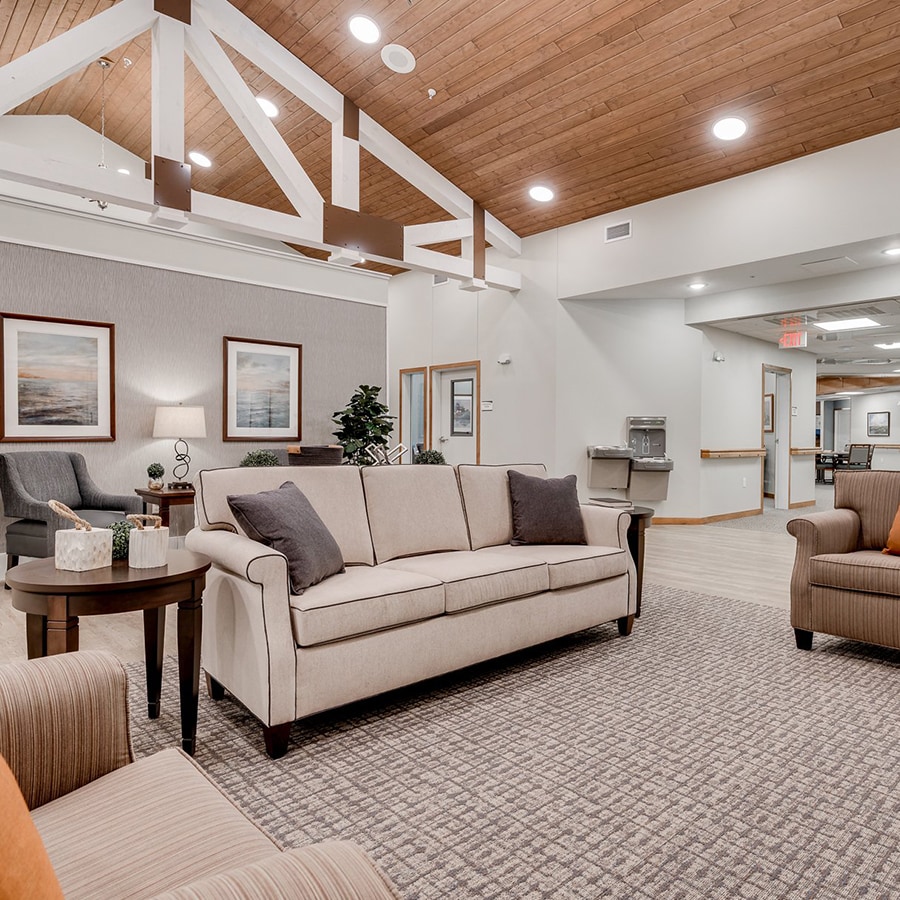
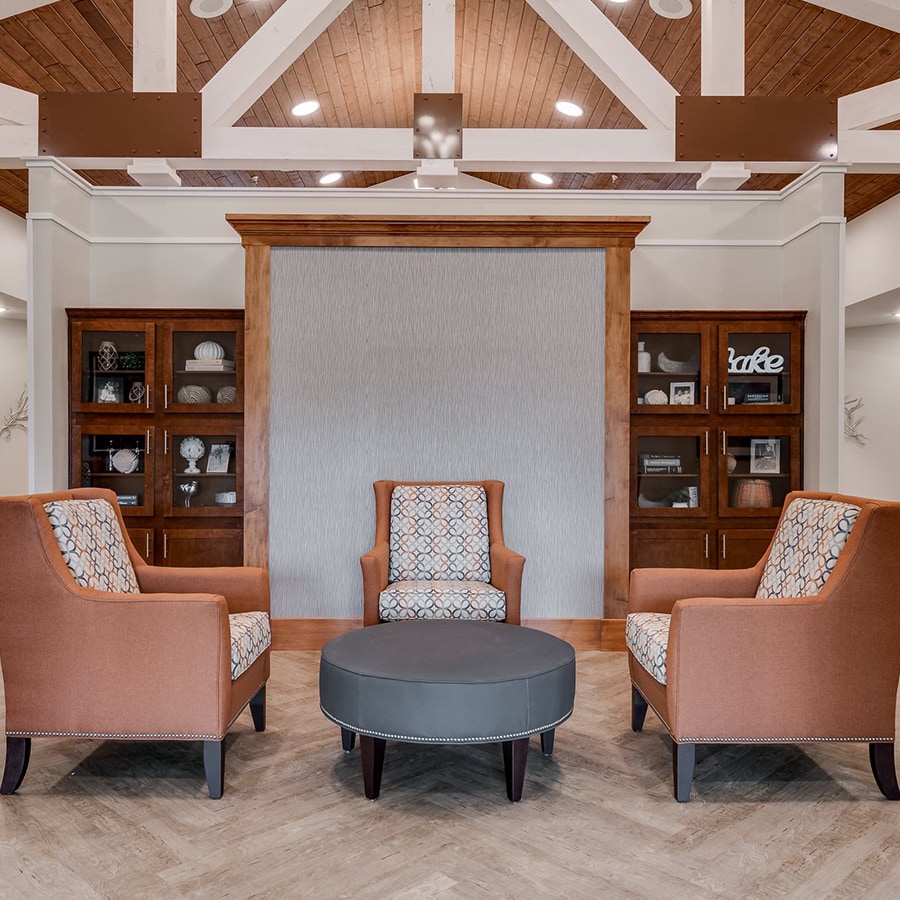
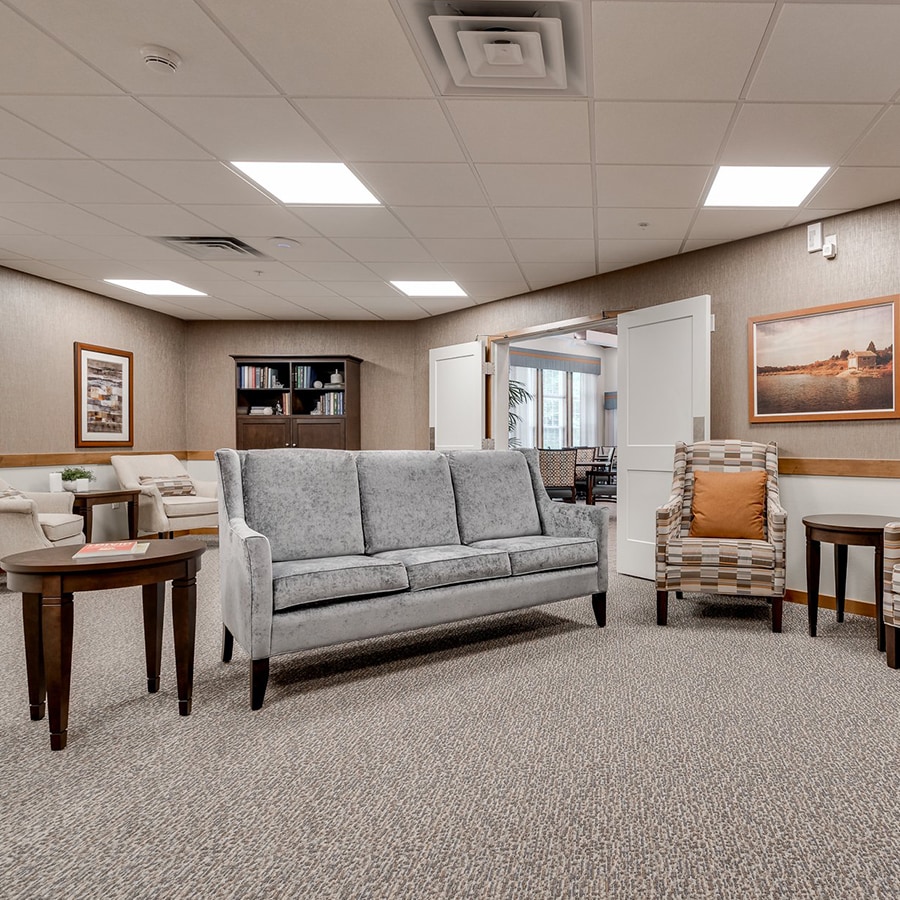
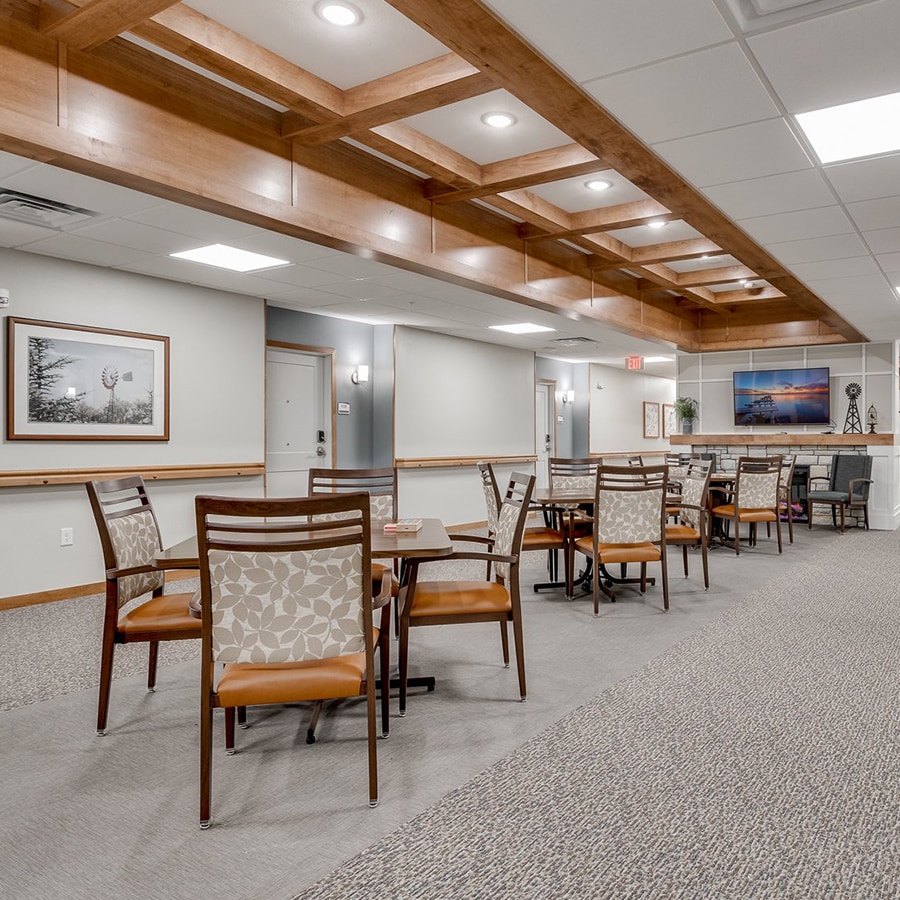
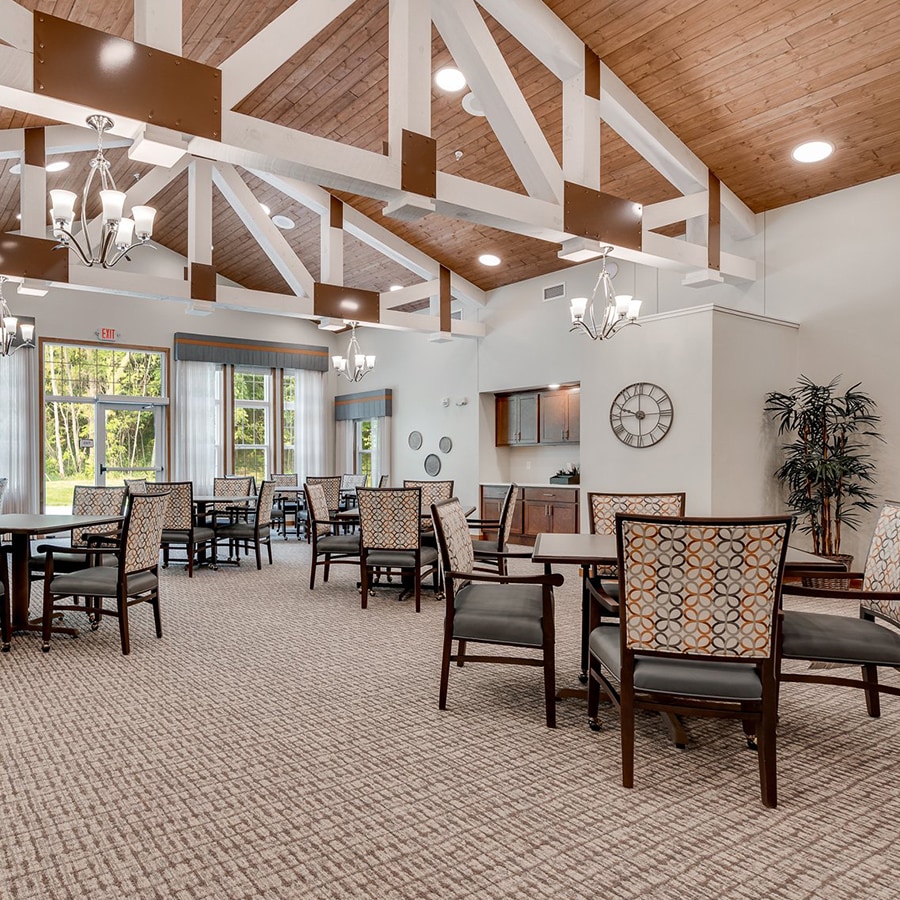
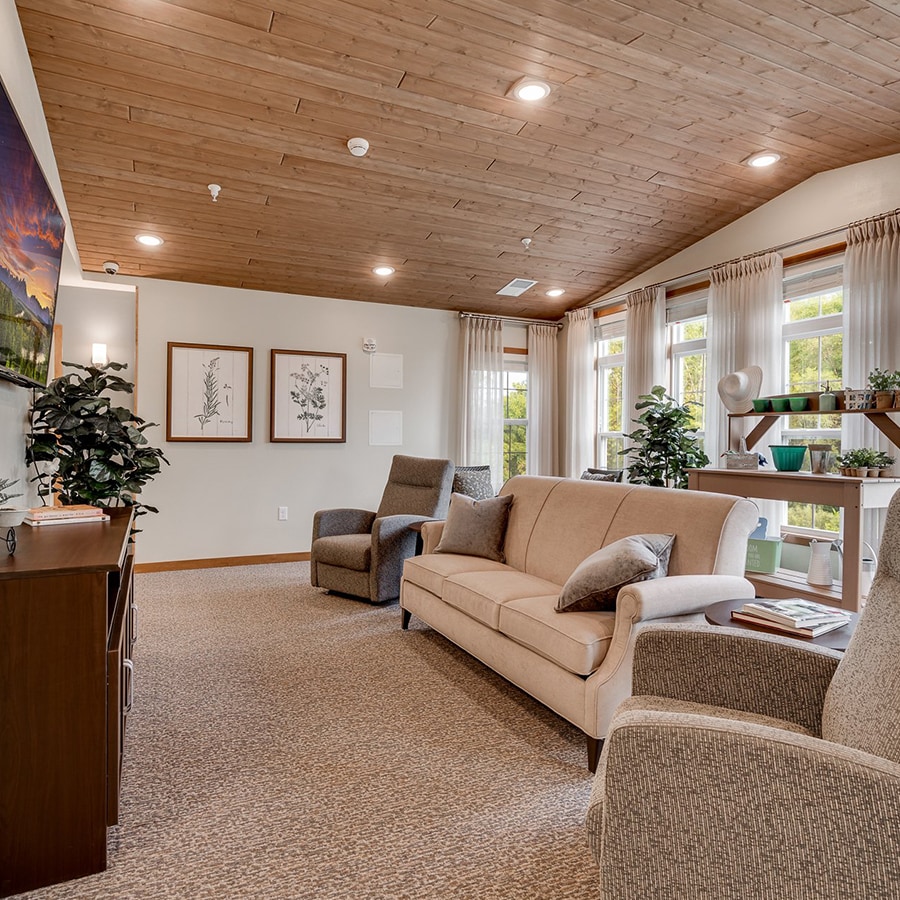
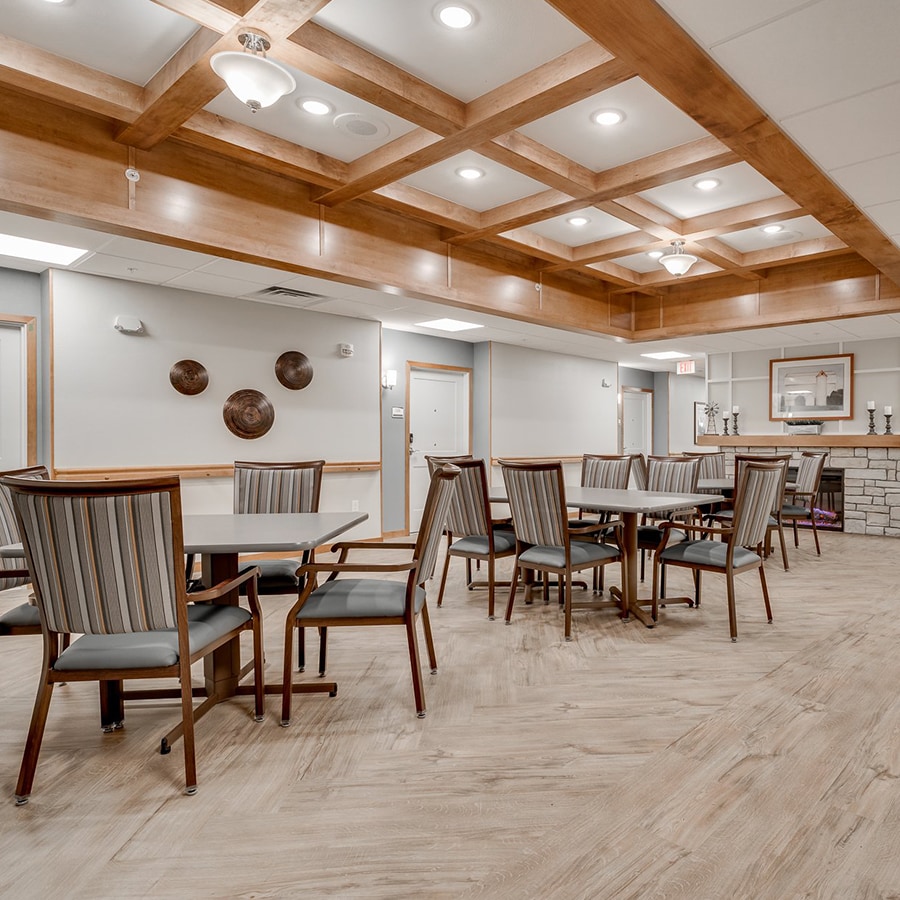
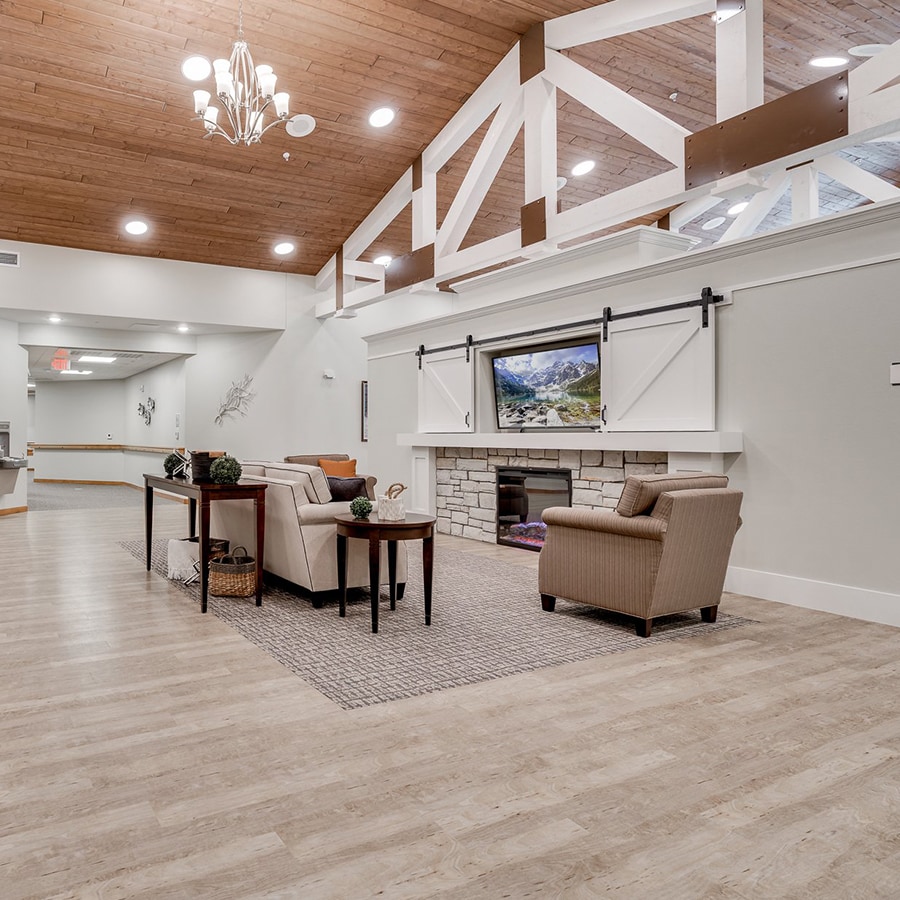
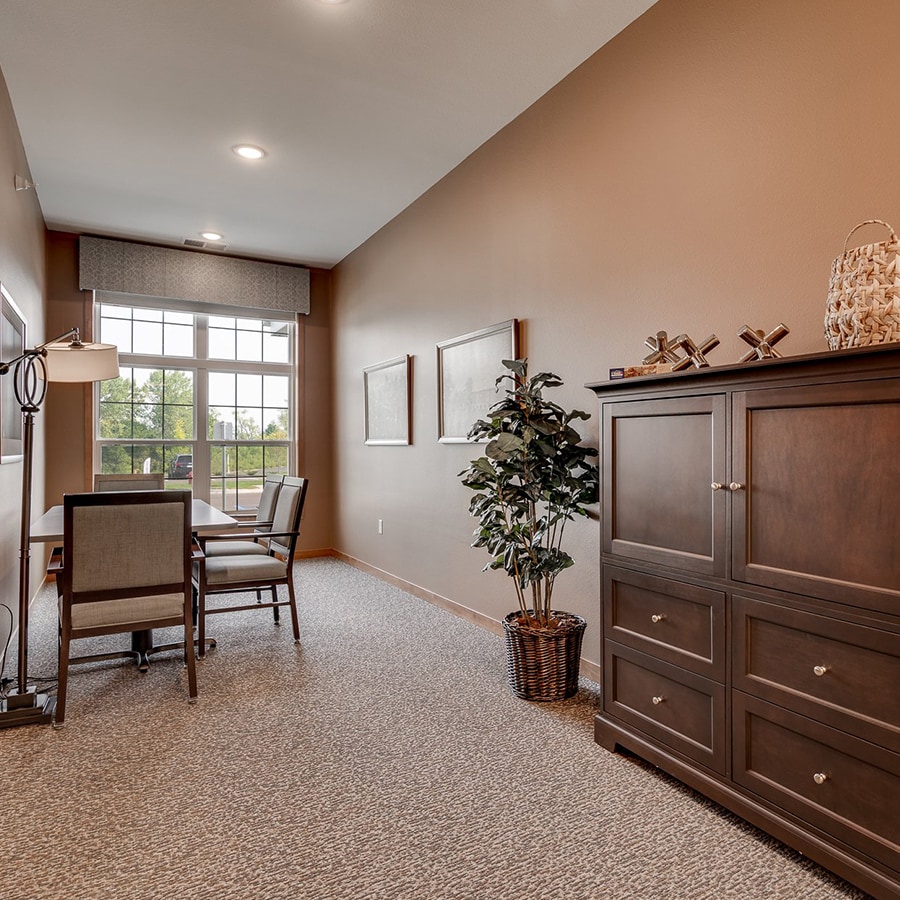
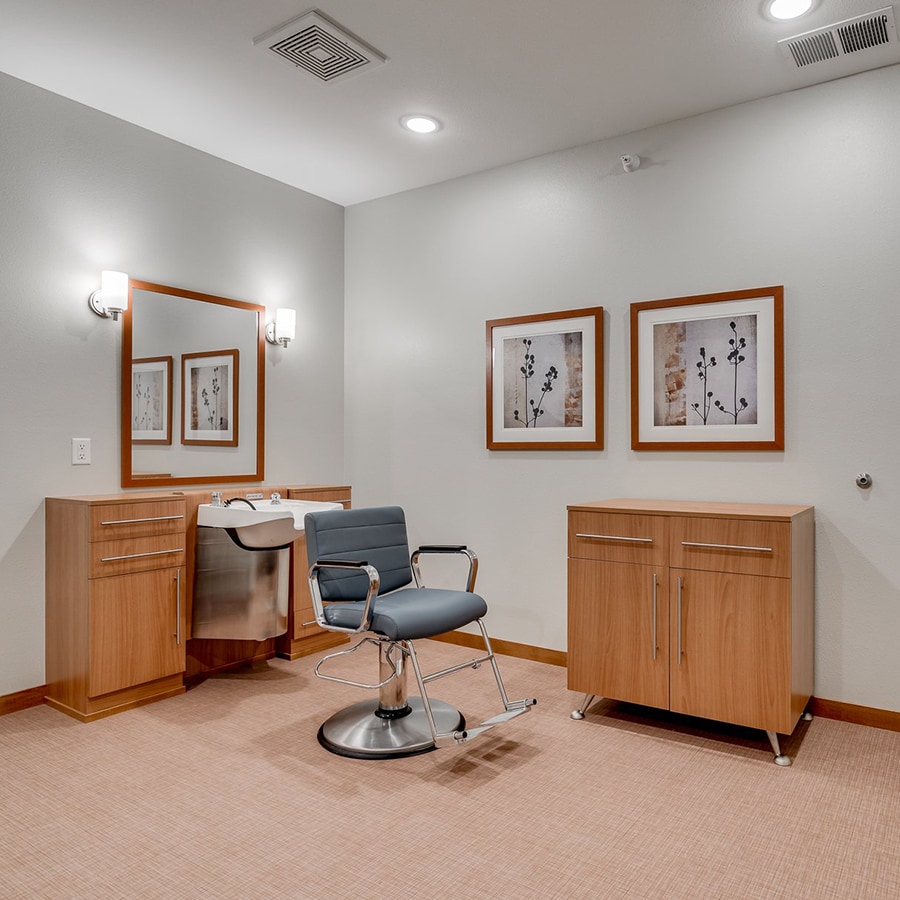
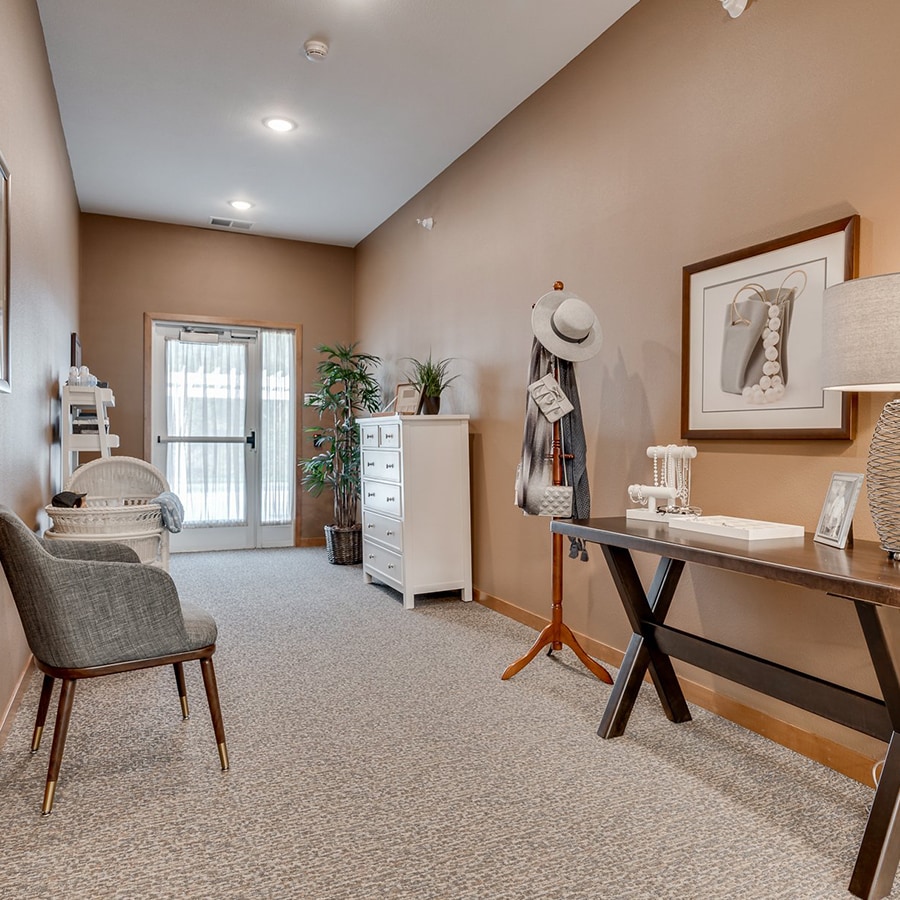
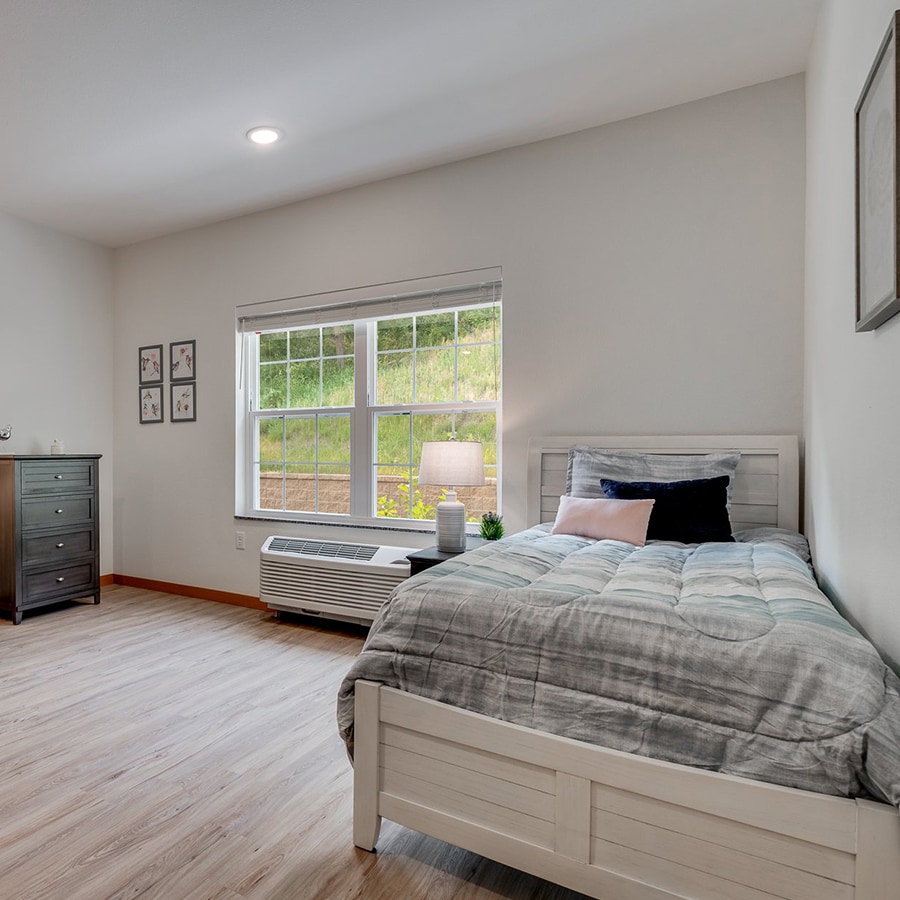
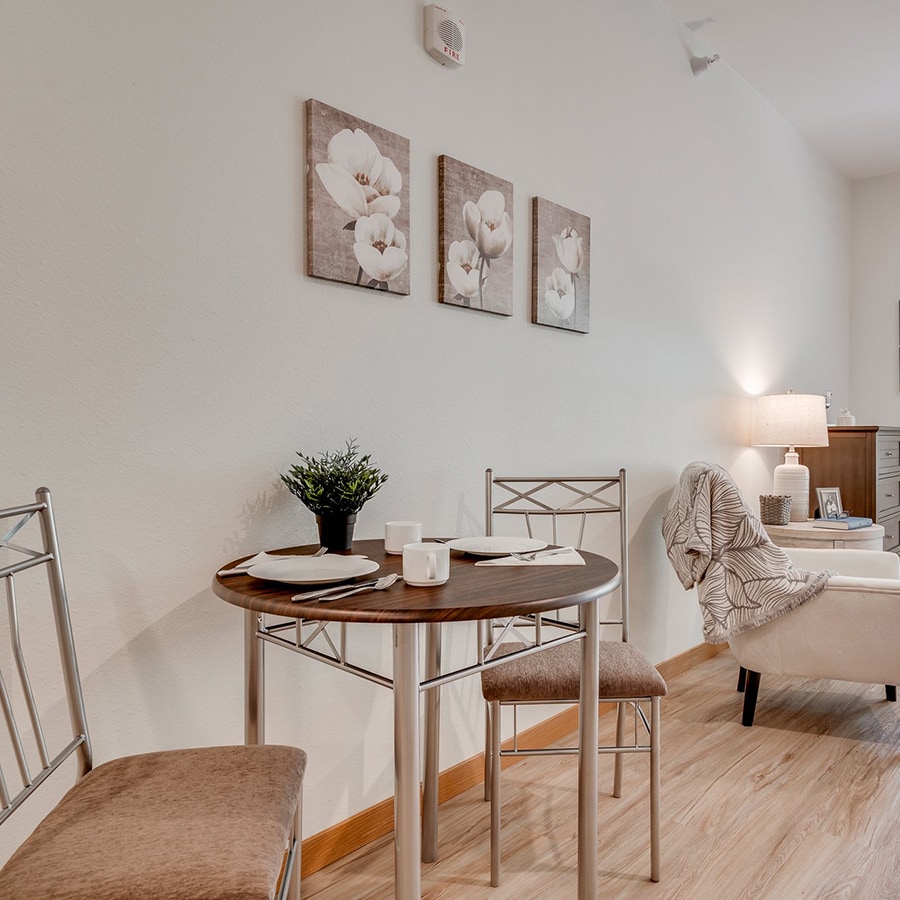
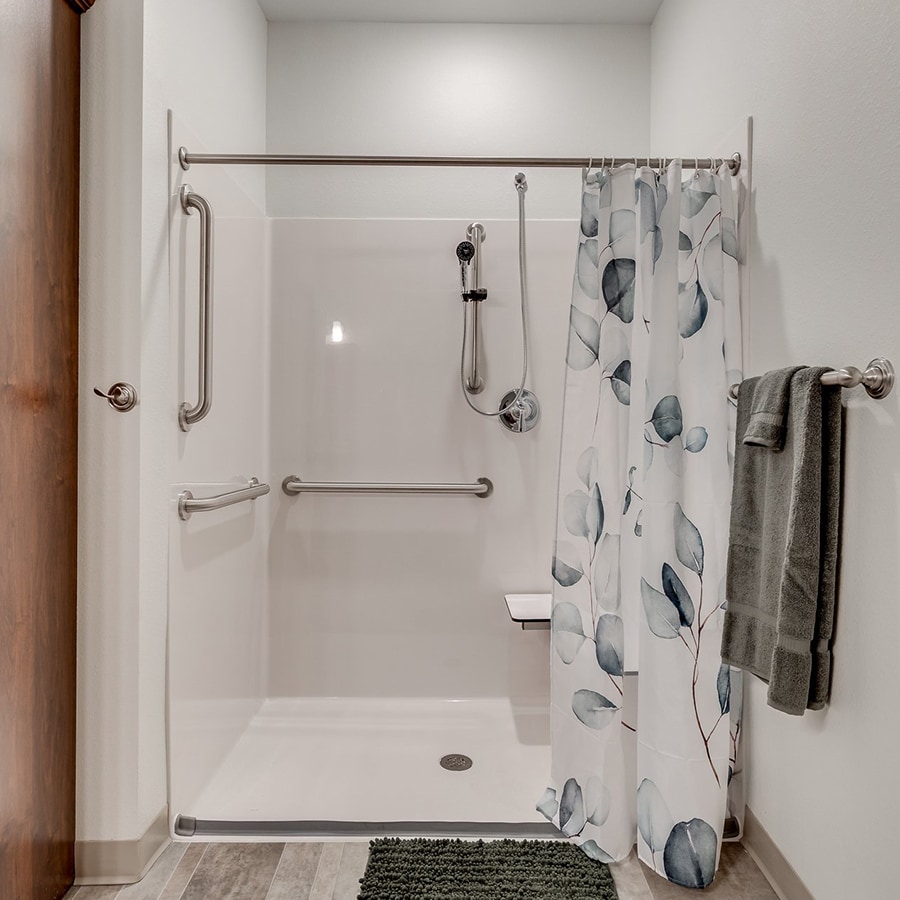
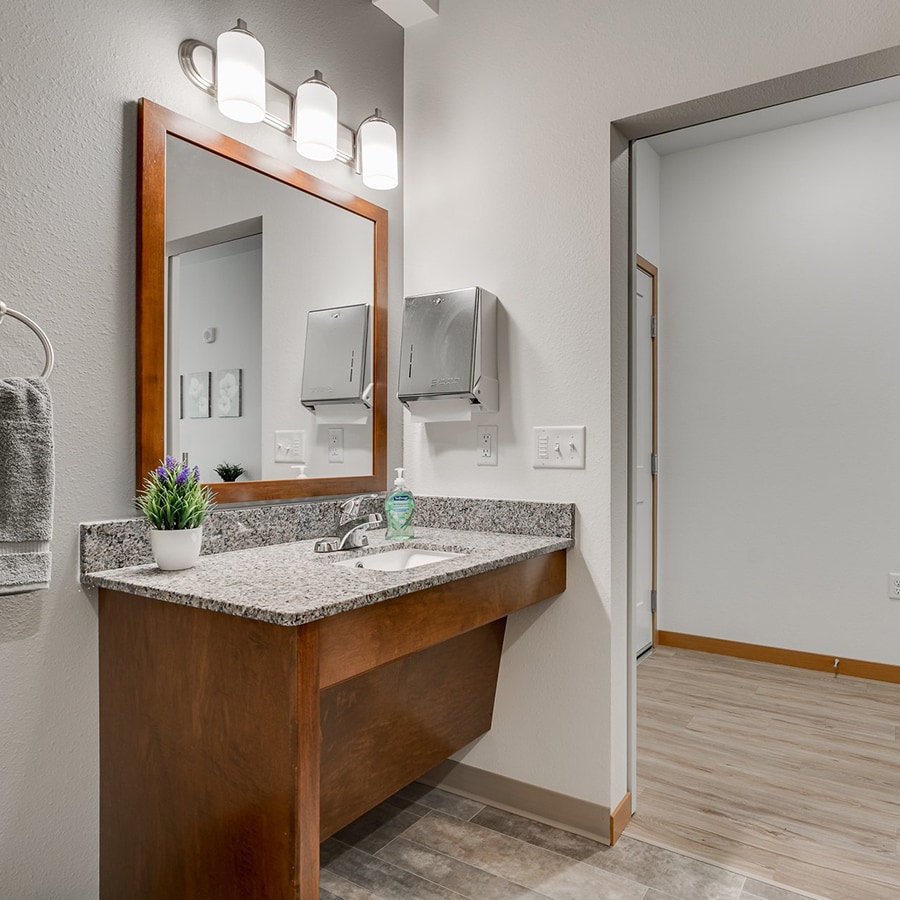
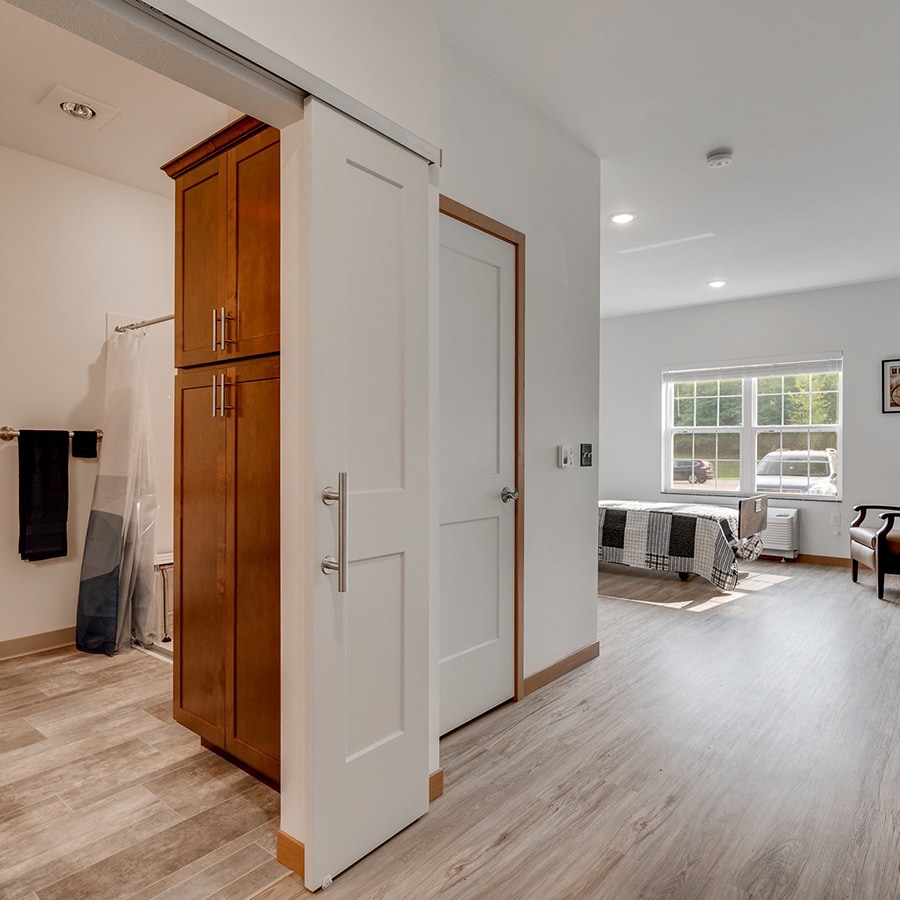
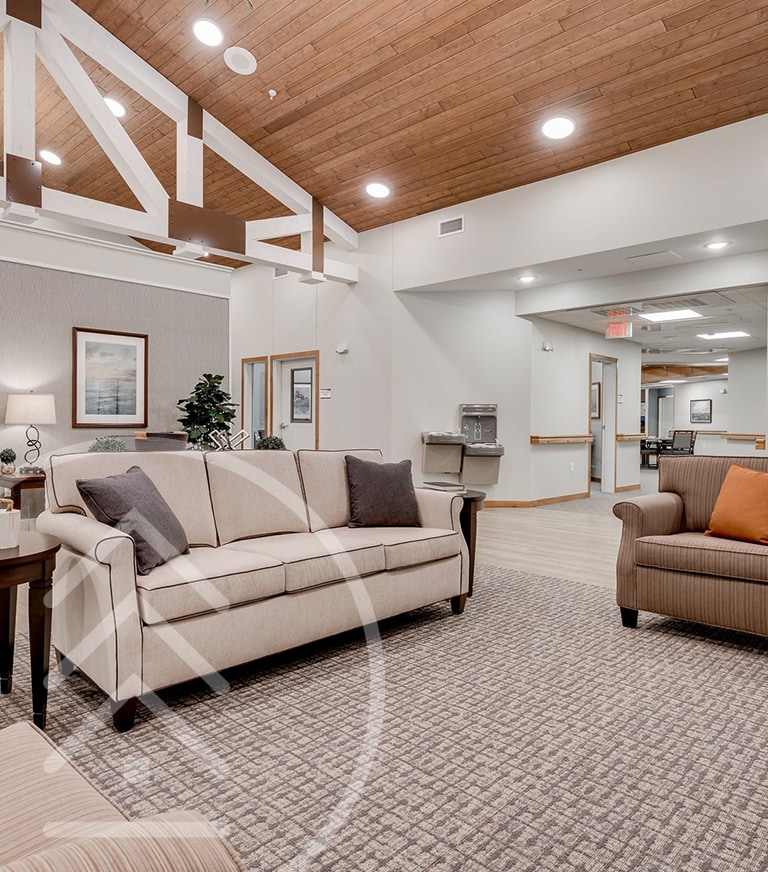
A thoughtfully designed memory care environment helps residents move through their day with ease and comfort. Secure settings reduce safety concerns while still feeling open, calm, and inviting. No one should feel restricted. They should feel at home.
The atmosphere matters just as much as the layout. Warm, homelike spaces can help residents settle in and feel a sense of belonging, which is something every person deserves, no matter where they are in their journey.
Finding Memory Care Support
Memory care support isn’t just about taking care of your loved one. A memory care community can create familiar routines, meaningful connections with others, and more time to be together as a family.
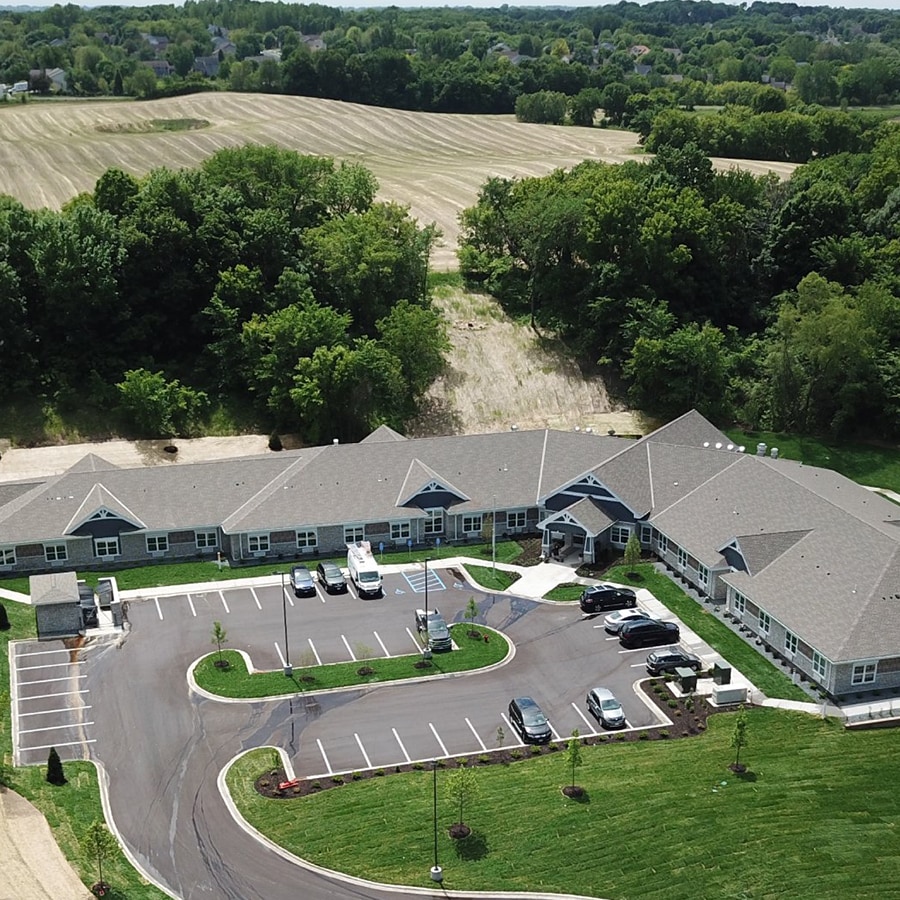
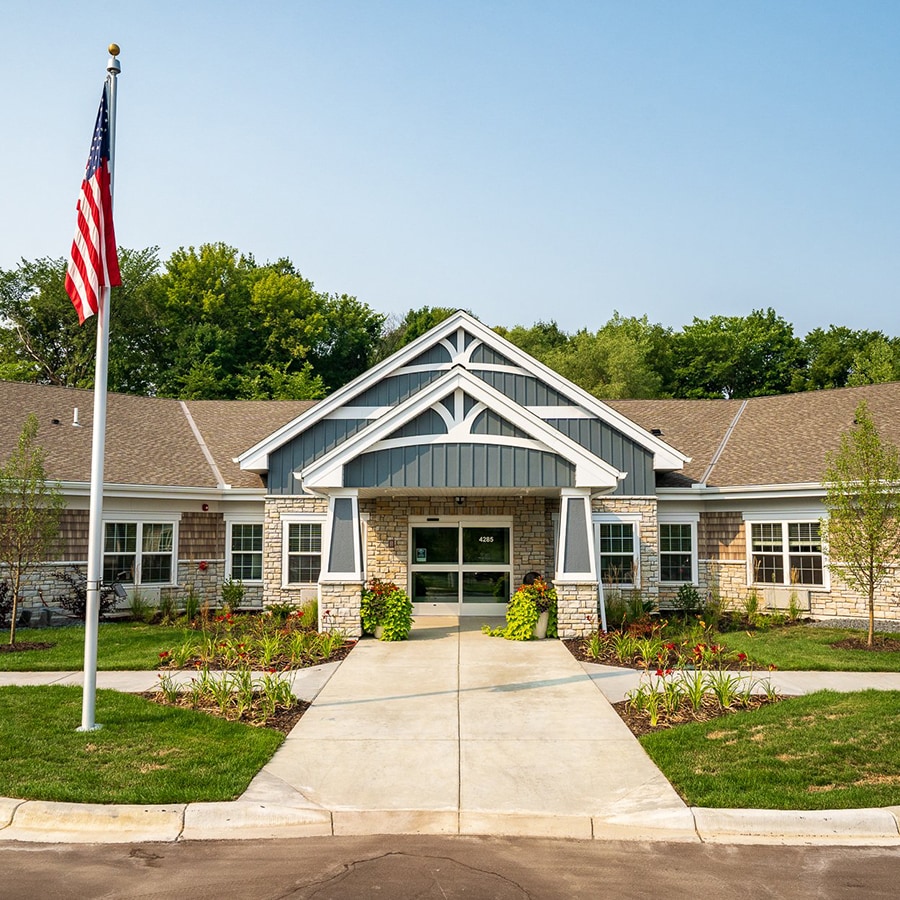
At NorBella Prior Lake, our memory care team takes the time to get to know each resident and provide personalized support. Our community offers engaging activities in a warm, homelike environment, where you and your loved one are considered family.
Reach out today to schedule a tour.